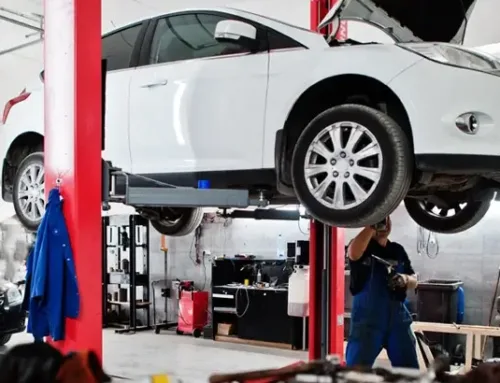
Owning a car comes with the responsibility of maintaining it properly to ensure its longevity, performance, and safety. Regular car maintenance is not just about keeping your vehicle looking good; it plays a crucial role in preventing costly repairs, improving fuel efficiency, and most importantly, reducing the risk of accidents. By taking care of your car on a regular basis, you can avoid unexpected breakdowns, keep repair costs low, and enjoy a safer driving experience.
Why Regular Car Maintenance is Essential
- Ensures Safety on the Road
Your car’s safety is directly impacted by how well it is maintained. Regular maintenance checks can help identify potential safety hazards like worn-out brake pads, faulty tires, or malfunctioning lights. Problems with these crucial components can lead to accidents or even a breakdown while driving.
For example, your brakes are essential for slowing down or stopping your vehicle. If the brake pads are worn out, they may not work as effectively, significantly increasing the risk of a collision. Similarly, tires with low tread or incorrect air pressure can cause dangerous blowouts, especially at high speeds. Regular inspections and timely replacements of these parts are essential to keep your vehicle safe and prevent accidents.
- Saves Money on Expensive Repairs
One of the biggest advantages of regular car maintenance is that it helps prevent costly repairs in the future. Small issues, such as a clogged air filter or a low fluid level, can be easily fixed during routine service. However, if ignored, these minor problems can escalate into major issues that require expensive repairs or even a complete engine overhaul.
For instance, an oil change is one of the simplest forms of maintenance, but if neglected, it can lead to engine damage due to the accumulation of dirt and sludge in the engine. Fixing an engine is far more expensive than simply replacing the oil at regular intervals.
Routine inspections can also identify worn-out parts before they break down completely, allowing you to replace them at a fraction of the cost of fixing more severe damage. By staying on top of your car’s maintenance needs, you can catch problems early and avoid unexpected, costly repairs.
- Improves Fuel Efficiency
A well-maintained car runs more efficiently, which translates to better fuel economy. For example, keeping your tires properly inflated can improve fuel efficiency by as much as 3%. A dirty air filter or old spark plugs can reduce your vehicle’s fuel efficiency, forcing the engine to work harder than it needs to.
By staying on top of maintenance tasks like changing the oil, replacing the air filter, and getting your tires rotated, you ensure that your car is running at optimal performance. This can save you money at the gas station and contribute to a cleaner environment by reducing emissions.
- Increases the Lifespan of Your Vehicle
Cars are expensive investments, and extending their lifespan is something every car owner wants. Regular maintenance helps keep your car in top shape for longer, delaying the need for costly replacements or upgrades. For example, regularly changing your car’s oil ensures that the engine runs smoothly and avoids the build-up of harmful substances that can lead to engine wear.
Likewise, inspecting your car’s suspension, brake system, and transmission regularly can help prevent wear and tear that could lead to expensive replacements. When you take good care of your car, it’s likely to last longer, saving you money in the long run.
- Maintains Your Vehicle’s Resale Value
If you plan on selling or trading in your car, keeping it well-maintained can help you get a higher resale value. A car with a detailed maintenance record shows potential buyers that it has been cared for, and they are more likely to trust its condition.
Regular maintenance helps preserve the appearance of the car, as well. For example, washing and waxing your vehicle can prevent the paint from fading and protect the exterior from rust. Inside, regular cleaning and upkeep of the upholstery will keep the cabin looking fresh, making your car more attractive to buyers.
What Should Be Included in Regular Car Maintenance?
To ensure your car runs efficiently and safely, there are a few key maintenance tasks that need to be done on a regular basis:
- Oil and Filter Change: Changing your car’s oil regularly is one of the simplest but most important maintenance tasks. Fresh oil helps lubricate the engine, reducing friction and preventing excessive wear and tear. It also ensures that the engine operates at the correct temperature.
- Tire Care: Proper tire maintenance includes checking tire pressure regularly and rotating the tires to ensure even wear. Tires should be replaced when they become bald or have any visible damage, as they are crucial for traction and safe braking.
- Brake System Inspection: The brake system is one of the most critical components of your vehicle. Regular brake pad replacement and fluid checks will help ensure that your brakes function properly when you need them most.
- Fluid Checks: Your vehicle relies on several different fluids for optimal performance, including coolant, transmission fluid, power steering fluid, and brake fluid. Make sure to regularly check these fluids and top them off or replace them as needed.
- Battery Maintenance: Car batteries need to be checked for corrosion and charged regularly. Replacing the battery when it starts losing its charge or shows signs of wear can help you avoid being stranded with a dead battery.
- Lights and Wipers: Keeping your headlights, taillights, and turn signals in working order is essential for your safety. Check your lights regularly to make sure they’re functioning properly. Also, inspect your wipers and replace them if they show signs of wear, especially before the rainy season.
Conclusion
Regular car maintenance is essential for keeping your vehicle running smoothly, improving safety, and preventing costly repairs. It not only saves you money in the long run but also helps maintain the value of your car and ensures a more comfortable driving experience. If you’re unsure about when to schedule maintenance, be sure to refer to your car’s owner’s manual for recommended intervals.
By staying on top of your car’s maintenance, you can enjoy a safer, more efficient, and longer-lasting vehicle, avoiding unexpected issues and keeping yourself and your passengers safe on the road. So, don’t wait for a problem to arise—invest in regular maintenance today and keep your car in top condition.